HMRC issues new fraud warning
HMRC is warning customers to be especially vigilant to fraudsters at this time of year due to the busy tax return season. What do you need to know?
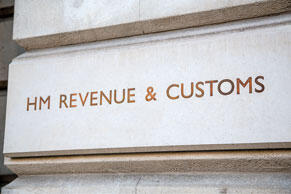
Fraud involving bogus contact purporting to be from HMRC is on the increase. Its latest press release, issued this week, reports that in the year to August 2022, over 180,000 cases of suspicious contact were referred to it. Nearly half of these were scams involving promises of fake tax refunds, designed to trick you into disclosing your bank details. In recent years, fraudsters are getting more brazen, often calling from numbers that genuinely look like HMRC. Upon answering (or checking a voicemail), you may be told that you need to urgently pay money or you will be arrested.
HMRC’s Director general for Customer Services said: “Never let yourself be rushed. If someone contacts you saying they’re from HMRC, wanting you to urgently transfer money or give personal information, be on your guard. HMRC will never ring up threatening arrest. Only criminals do that. Tax scams come in many forms. Some threaten immediate arrest for tax evasion, others offer a rebate. Contacts like these should set alarm bells ringing, so take your time and check HMRC scams advice on GOV.UK.”
Related Topics
-
Ravanelli scores victory against HMRC over £340,000 NI dispute
Former footballer Fabrizio Ravanelli has won a High Court challenge against HMRC over £340,000 of NI paid as part of an employee benefit trust settlement. The judge found that HMRC had misunderstood the law when refusing to reconsider the settlement. Does this mean the former striker will get his money back?
-
Salary vs dividends: the employment allowance angle
When it comes to extracting profits from your company, you can’t go too far wrong with the old faithful: low salary topped up with dividends. But, if the employment allowance is available, might you be better off using it to the full extent?
-
Welsh landlords to face higher income tax rates from April
The Welsh Government has confirmed its intention to follow the UK's higher property income tax rates from April 2027, despite gaining the power to set its own rates. The decision, included in the draft Welsh Budget for 2027/28, means landlords in Wales won't escape the tax increases announced in October. How much extra could you pay?