HMRC concedes on penalties for late self-assessment
For weeks tax experts have been pressuring HMRC to scrap penalties for late filing of 2019/20 self-assessment tax returns. Until now HMRC has refused. Today it’s made a partial concession. What’s the full story?
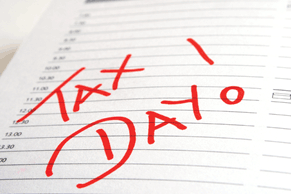
The pressure has been mounting on HMRC and the government to give a general amnesty for taxpayers who submit their 2019/20 self-assessment tax return online later than the usual filing deadline of 31 January 2021. HMRC hasn’t gone that far but has agreed that anyone who can’t file their return by the deadline won’t receive a late filing penalty if they file online by 28 February.
In its statement, HMRC hasn’t mentioned the penalties charged for those who were late submitting their 2019/20 paper self-assessment tax return which was due by 31 October. We’ll have to wait to see if it decides to retrospectively cancel some or all of them.
The announcement doesn’t change any statutory right to have a late filing penalty canceled if the taxpayer have a reasonable excuse for submitting their tax return after the deadline. This means if anyone can’t file your return by 28 February they still have the right to appeal against the £100 penalty that HMRC will automatically issue.
Related Topics
-
Ravanelli scores victory against HMRC over £340,000 NI dispute
Former footballer Fabrizio Ravanelli has won a High Court challenge against HMRC over £340,000 of NI paid as part of an employee benefit trust settlement. The judge found that HMRC had misunderstood the law when refusing to reconsider the settlement. Does this mean the former striker will get his money back?
-
Salary vs dividends: the employment allowance angle
When it comes to extracting profits from your company, you can’t go too far wrong with the old faithful: low salary topped up with dividends. But, if the employment allowance is available, might you be better off using it to the full extent?
-
Welsh landlords to face higher income tax rates from April
The Welsh Government has confirmed its intention to follow the UK's higher property income tax rates from April 2027, despite gaining the power to set its own rates. The decision, included in the draft Welsh Budget for 2027/28, means landlords in Wales won't escape the tax increases announced in October. How much extra could you pay?