Could specific gifts from will trust be undone?
The First-tier Tribunal recently considered a case where the way a will trust was administered meant that the distribution of assets was significantly different to the deceased person's intentions. Could the transactions be recharacterised?
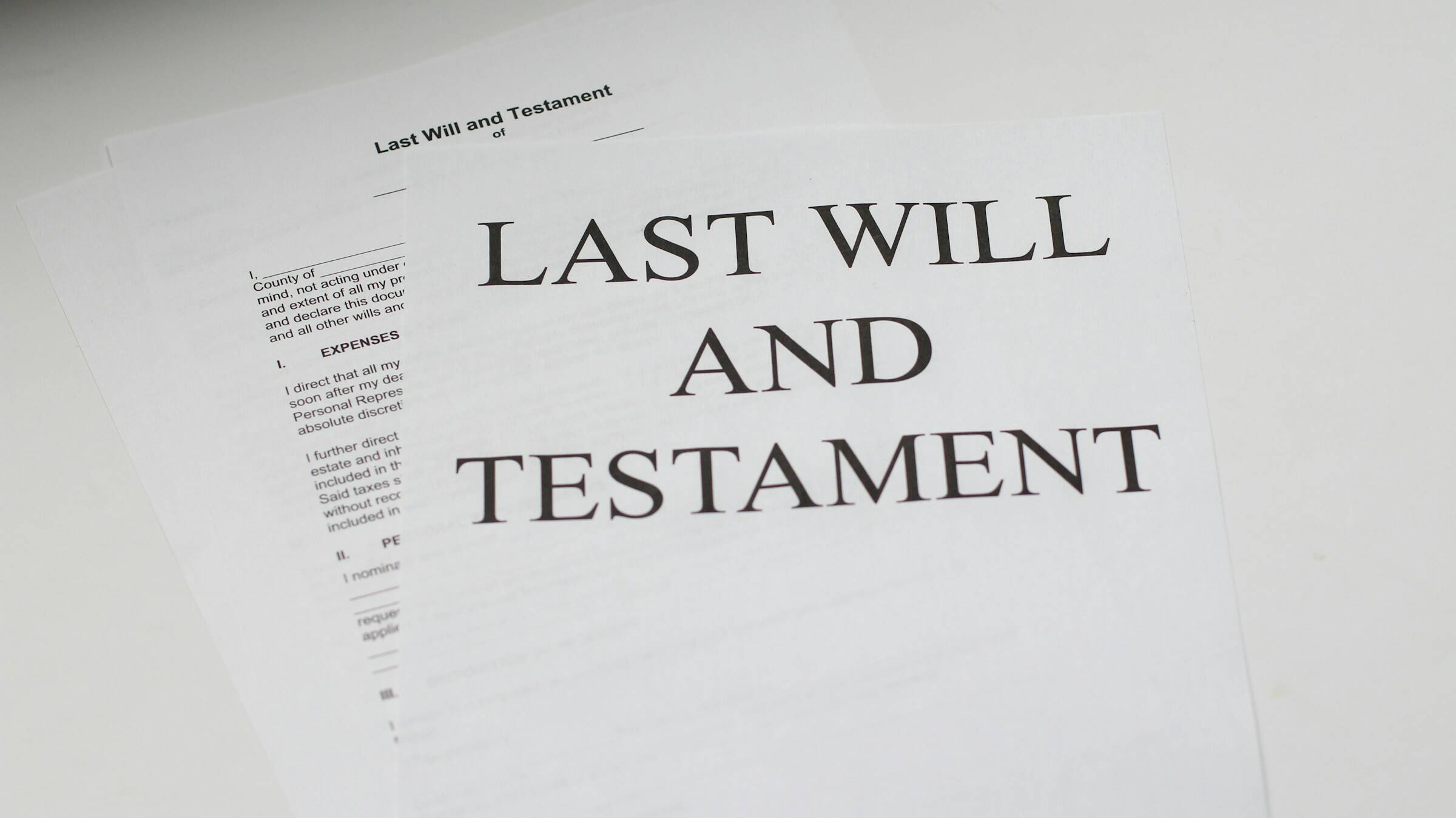
Mr Marks (M) was the executor of his father’s estate. The deceased’s will left a number of gifts to his descendants and spouse (as life tenant), and 25% of his estate to charity, with the understanding that this would be more than sufficient to secure the lower 36% inheritance tax (IHT) rate. The problem was that following his death, the trustees of the will trust made a number of gifts to his grandchildren, purportedly as an “advance” on their eventual inheritance - reducing the residuary estate (and the value of the charitable donations). HMRC argued that the charitable contribution was less than 10% of the necessary parts of the estate, and applied the full IHT rate.
The will specified that the gift was to be 25% of the residuary estate, measured at the time of death. This meant that the 10% baseline calculation would be carried out based on the value of the assets held at death, not at the time of making the will. A deed had effectively ring-fenced a considerable portion of the money in the estate for the “specified beneficiaries”.
The grandchildren offered to repay the advances to ensure M’s intentions were met, i.e. a £250,000 legacy to the charity. The judge accepted that the gifts would not have been made had a full understanding of the IHT consequences been made clear, but this did not change the nature of the lifetime gifts and the lower rate did not apply.
This case is a reminder that it is crucial to ensure your intentions are clear when making a will, and that the persons responsible for handling your financial assets understand them. Misunderstandings with charitable bequests can often lead to protracted, and costly, litigation - though that was not the case here.
Related Topics
-
Should you voluntarily payroll benefits in kind?
The window to sign up to voluntarily payroll non-mandatory benefits in kind for 2027/28 will open in November. Is it worth volunteering to pay HMRC earlier than required or should you wait until it becomes mandatory in 2028/29?
-
Wise tax statement errors could affect 4,000 customers
Around 4,000 UK customers of financial services provider Wise have been told that tax statements issued between 2021 and 2025 contained incorrect figures. The errors could have resulted in taxpayers paying too much or too little income tax and capital gains tax (CGT). What should affected customers check?
-
CT61