Nominating a main residence election
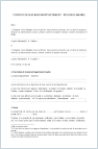
If you own two or more properties which you use as homes, say your main house and a holiday home, you can choose which qualifies as your main residence for capital gains tax private residence relief.
More than one
The general rule is that if you make a gain on the sale of your main residence, then you don’t have to pay capital gains tax. This is called private residence relief. An unmarried individual or a married couple can only have one main residence for this relief at any one time.
However, if you have more than one home, it’s possible to nominate which one you would like to be treated as your main residence.
Make an election
An election can only be made where you actually live in more than one home. For example, you can’t elect for a property to be your main residence if you are renting it out.
An election must be made within two years of you having two or more residences, but once an election has been made it can be switched (varied) between the properties as often as you wish. A variation can apply up to two years prior to the date you make the election. Plus, each time you acquire another property a new two-year window to make an election opens.
In the case of a married couple, both partners must sign the election for it to be effective.
You should elect to nominate the property which is likely to produce the greatest capital gain when you sell or transfer it. However, the CGT rules are generous and where an election applies for just a short time the final nine months (18 months for disposals before 6 April 2020) of ownership will also qualify for the private residence relief.
In view of the final nine-month rule, it’s a good idea elect the property which you expect to make the least gain as your main residence for a short time, say a month, and then vary the election back to the original property.
You can use this document for a first time main residence election or variation.
Related Topics
-
Ravanelli scores victory against HMRC over £340,000 NI dispute
Former footballer Fabrizio Ravanelli has won a High Court challenge against HMRC over £340,000 of NI paid as part of an employee benefit trust settlement. The judge found that HMRC had misunderstood the law when refusing to reconsider the settlement. Does this mean the former striker will get his money back?
-
Salary vs dividends: the employment allowance angle
When it comes to extracting profits from your company, you can’t go too far wrong with the old faithful: low salary topped up with dividends. But, if the employment allowance is available, might you be better off using it to the full extent?
-
Welsh landlords to face higher income tax rates from April
The Welsh Government has confirmed its intention to follow the UK's higher property income tax rates from April 2027, despite gaining the power to set its own rates. The decision, included in the draft Welsh Budget for 2027/28, means landlords in Wales won't escape the tax increases announced in October. How much extra could you pay?