Letter chasing payment before legal action
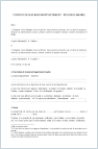
Late payment by customers is just one of the problems an accountant has to face. Fortunately, there is a way to wake up the people who owe you money, and get them to do something about it.
Last chance
Most businesses want to avoid costly and time-consuming litigation, so when you show them that you mean business they will most often pay up to avoid extra hassle. So a letter from you that looks like a formal legal notification of an impending lawsuit is a way of saying to your customer “this is your last chance”. Indeed these letters normally get passed to the owners of the business rather than the person who (misguidedly) thinks they are doing their employer a favour by not paying you.
It’s always best to keep such letters as simple as possible. You may have all sorts of issues involving your trading relationship that you would like to point out, but this is not the place for such a discussion.
There’s no official legal form which your chaser letter has to take. However, you need to include all the essential information such as: what the sale was (invoice reference and date), how much is owed, for how long, and your payment information. You then set a final deadline for payment. This can be any reasonable period from one week (it would be hard for payment to reach you in less than a week) to 30 days. Ten days is perfectly reasonable assuming you have already been waiting a long time for payment.
Using our Letter Chasing Payment Before Legal Action should help get slow/late payers back on track.
Related Topics
-
Ravanelli scores victory against HMRC over £340,000 NI dispute
Former footballer Fabrizio Ravanelli has won a High Court challenge against HMRC over £340,000 of NI paid as part of an employee benefit trust settlement. The judge found that HMRC had misunderstood the law when refusing to reconsider the settlement. Does this mean the former striker will get his money back?
-
Salary vs dividends: the employment allowance angle
When it comes to extracting profits from your company, you can’t go too far wrong with the old faithful: low salary topped up with dividends. But, if the employment allowance is available, might you be better off using it to the full extent?
-
Welsh landlords to face higher income tax rates from April
The Welsh Government has confirmed its intention to follow the UK's higher property income tax rates from April 2027, despite gaining the power to set its own rates. The decision, included in the draft Welsh Budget for 2027/28, means landlords in Wales won't escape the tax increases announced in October. How much extra could you pay?